
Blog
Toddler Beds: Sizes, Safety, and How to Choose the Best First Bed
Apr
Moving your little one from cot to their first big bed is one of those parenting milestones that feels both exciting and slightly nerve-wracking. The good news? With the right information about sizing, safety features, and timing, the transition can be surprisingly smooth. This guide walks you through everything you need to know about toddler beds, from UK-specific dimensions to practical tips for helping your child settle into independent sleeping.
- UK toddler beds typically measure around 140cm x 70cm, sit low to the floor (20-25cm frame height), and are specifically designed as a safe stepping stone between a cot and a single bed—perfect for growing children who need easy access and security.
- Most children are ready to transition from a cot to a toddler bed between 18 months and 3 years old, with common signs including climbing out of the cot, appearing cramped during sleep, or asking for a “big kid” bed.
- The three pillars of a smooth and safe transition are sturdy safety rails, a correctly sized mattress (70 x 140cm for most UK toddler bed frames), and maintaining a familiar bedtime routine.
- Parents can choose from classic wooden frames, themed toddler beds like cars or castles, cosy house beds, and practical storage options—all available in the toddler beds range at Kids Beds Online.
- This article finishes with a FAQ section addressing common concerns, including how long toddler beds last and whether skipping straight to single beds makes sense for your family.
What Size Is a Toddler Bed?
UK toddler beds are designed to bridge the gap between a compact cot and a full single bed, giving your child room to stretch without overwhelming smaller spaces or making them feel lost in a sea of bedding.
The standard UK toddler bed size is approximately 140cm long by 70cm wide (roughly 55 x 27.5 inches). Many models at Kids Beds Online are specifically designed to accommodate a 70 x 140cm mattress, which is the industry standard for this age group.
Here’s how the dimensions compare:
- Cot: Around 120cm x 60cm—cosy for infants but cramped once your toddler starts growing
- Toddler bed: Around 140cm x 70cm—roughly 17% longer and wider than a cot, offering meaningful extra room
- Single bed: Around 190cm x 90cm—a significant jump that can feel intimidating for young ones
The compact footprint of a toddler bed occupies approximately 0.98 square metres of floor space, compared to 1.71 square metres for a single bed. That’s a substantial difference when you’re trying to preserve play space in a child’s room or accommodate two beds in a shared bedroom.
Some themed beds and house-style frames—like treehouse or car beds sold on Kids Beds Online—may look larger due to decorative side panels or rooflines, but they still typically use the standard 70 x 140cm mattress inside.
You might see terms like “toddler single” or “starter bed” in product descriptions. Always check the listed mattress size on the product page to ensure you’re getting the right bed and can purchase matching bed linen.
When to Transition to a Toddler Bed
Most children make the move from cot to toddler bed somewhere between 18 months and 3 years old. However, every child develops at their own pace, and some are ready a little earlier or later than the average.
Practical readiness signs to watch for:
- Climbing out (or attempting to climb out) of the cot—this is the trigger for 70-80% of parents
- Looking cramped with bent knees or frequently hitting the cot sides
- Waking more than three times per night without obvious cause
- Asking for a “big bed” or showing interest in siblings’ beds
- Starting night-time toilet training, which makes cot confinement impractical
The main trigger is almost always safety. Once a toddler can scale the cot sides, the risk of falls increases dramatically. A low toddler bed becomes the safer choice, eliminating that climbing hazard while still providing raised sides or guard rails to prevent falls during sleep.
That said, very young toddlers (under approximately 18 months) may still be safer in a cot unless there’s a specific safety reason—like persistent climbing—to move them sooner. Cot sides prevent around 90% of rollover incidents in younger babies.
Timing tip: If you’re expecting a new sibling or planning a house move, consider either making the switch 2-3 months before the upheaval or waiting a few weeks after things settle. This helps your little one adjust to their new bed without competing stresses. Many children experience some sleep regression during transitions, affecting up to 60% of toddlers, so avoiding multiple changes at once can make bedtime smoother.
How to Transition from a Cot to a Toddler Bed
The secret to a smooth transition lies in two words: routine and familiarity. Toddlers thrive on predictability, so keeping as many elements consistent as possible reduces resistance and helps your child feel safe in their new bed.
Involve your child in the process. Letting them help choose between a few suitable toddler beds or select new bedding designs—cars, princesses, animals, or house beds—gives them ownership of the change. Research suggests this approach can reduce bedtime resistance by around 30%.
Keep the location the same. Place the toddler bed in the exact spot where the cot stood. This preserves spatial cues your child’s brain has linked with sleep and melatonin production.
Maintain your bedtime routine. Bath, story, dim lights, cuddles—whatever sequence signals “sleep time” should stay identical. The bed is new; the ritual doesn’t need to be.
Reuse comfort items. Your child’s favourite blanket, pillow, or soft toy should make the move. If the mattress dimensions happen to match (which is rare between UK cots and toddler beds), using the same mattress initially can help with the familiar smell and feel. Studies show that olfactory familiarity can cut night wakings by half during the first week.
Consider daytime nap trials first. Some families find it helpful to start with naps in the new bed for 5-7 days before committing to overnight sleep. This builds positive associations without the pressure of a full night.
Toddler-proof the room. Independent sleeping means independent wandering. Secure furniture to walls, remove trailing cords, and consider a stair gate on the bedroom door or at the top of stairs. Around 15% of injuries in under-3s involve toppling furniture.
Low, floor-hugging frames with built in storage or guard rails—common across Kids Beds Online’s toddler range—provide extra peace of mind during this phase, limiting any potential fall to under 30cm.
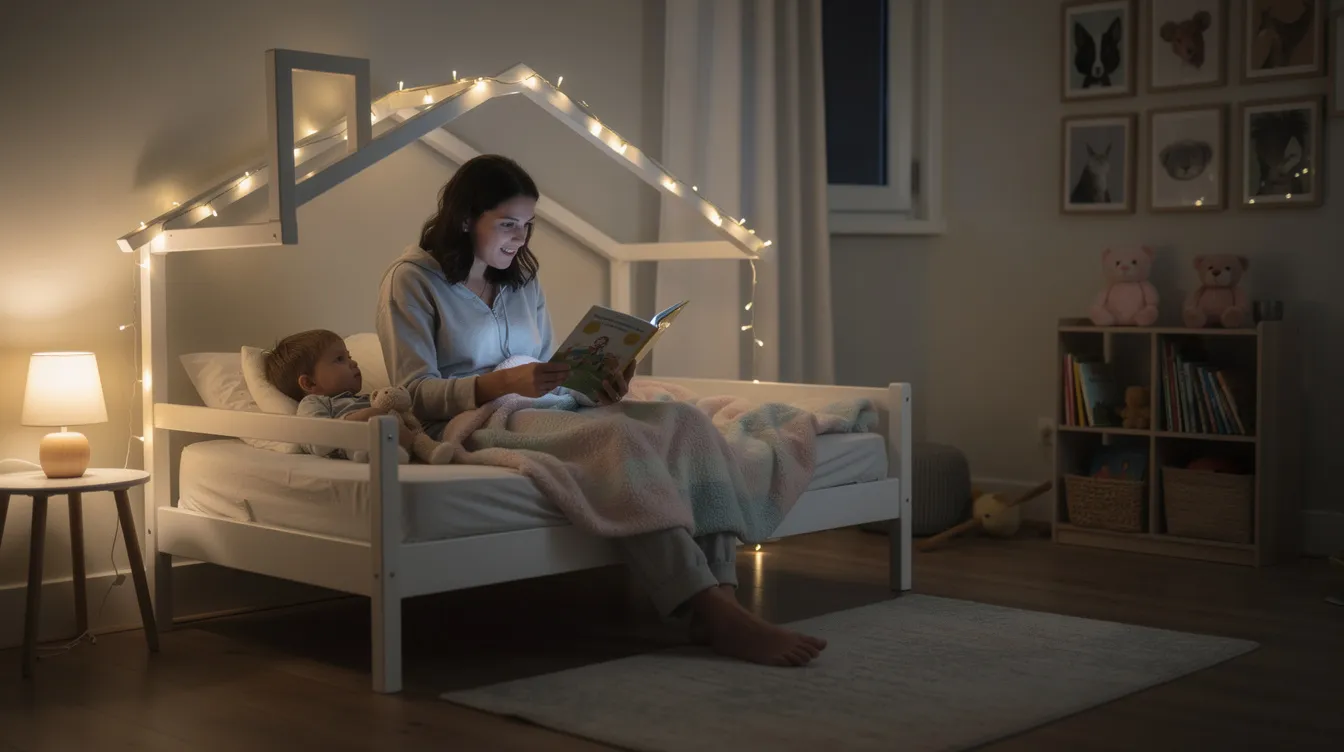
What Mattress Should You Use with a Toddler Bed?
Getting the mattress right is just as important as choosing the bed frame itself. A good mattress supports restful sleep, and a correctly sized one is essential for your child’s safety.
Most UK toddler beds at Kids Beds Online are designed for a 70cm x 140cm mattress. Always match the mattress dimensions exactly to the frame specifications listed on the product page.
What to look for in a toddler mattress:
- Firm but comfortable support: The mattress should sink less than 3cm under a 20kg load to maintain proper spinal alignment
- Good ventilation: Look for open-cell foam or pocket springs with ventilation ports to regulate temperature and reduce night sweats
- Removable, washable cover: Accidents happen—a cover you can unzip and machine wash makes life easier
- UK safety compliance: Ensure the mattress meets BS 7177 fire standards and carries hypoallergenic certification
Some toddler beds on Kids Beds Online are available as bundle deals with a mattress included, which simplifies the buying decision and often saves money compared to purchasing separately.
What to avoid:
- Using a cot mattress (typically 120cm x 60cm) in a larger toddler frame—this creates dangerous gaps of 5-10cm where limbs can become trapped
- Cutting down an adult mattress, which compromises both fit and fire safety compliance
- Any gap greater than 3cm between mattress edge and frame, which safety guidelines deem unsafe
Accessories to consider:
- A waterproof protector (PVC-free for breathability) handles spills and night-time training accidents
- 100% cotton fitted sheets with 15-20cm pocket depth keep the surface cool and comfortable
- Toddler pillows should be slim (around 35 x 45cm) to minimise suffocation risks for children under 2
A quality toddler mattress typically lasts from around age 2 to approximately age 5—roughly 2,000 nights of use—before sagging compromises support.
Types of Toddler Beds
Parents can choose from several styles within the toddler beds category, ranging from simple wooden frames to imaginative themed designs. The right bed depends on your space, budget, and how much your child needs bedtime fun to overcome any reluctance about sleeping alone.
Classic Wooden Toddler Beds
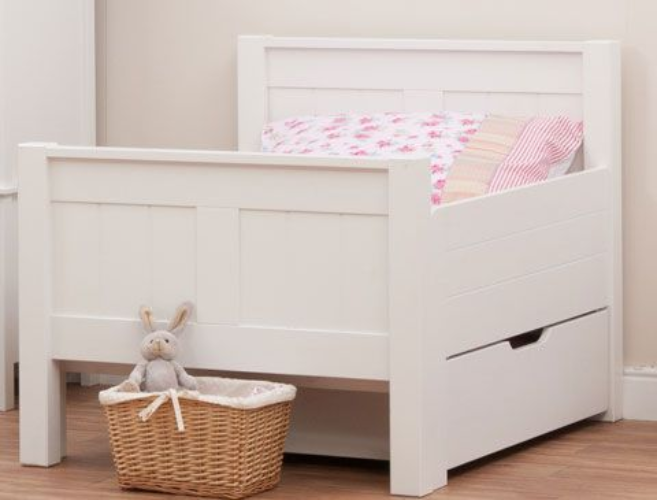
These no-fuss frames typically feature a low profile (25-30cm), neutral finishes like white, natural pine, or oak, and straightforward design that blends with most bedroom décor. They accommodate standard 70 x 140cm mattresses and often have load capacities up to 50kg—plenty of headroom for a growing child plus the occasional parent sitting on the edge for a story.
Character and Themed Beds
From car beds and fire engines to princess castles and spaceship designs, themed beds turn the bedroom into an adventure zone. Behavioural studies suggest novelty can boost bedtime compliance by 25-35%, making these a great choice for children who resist sleep. Boys toddler beds often feature vehicle themes, while fairy-tale castles and house designs appeal across the board. All quality themed toddler beds meet EN 716 safety standards for non-toxic finishes and rounded edges.
House and Teepee Beds
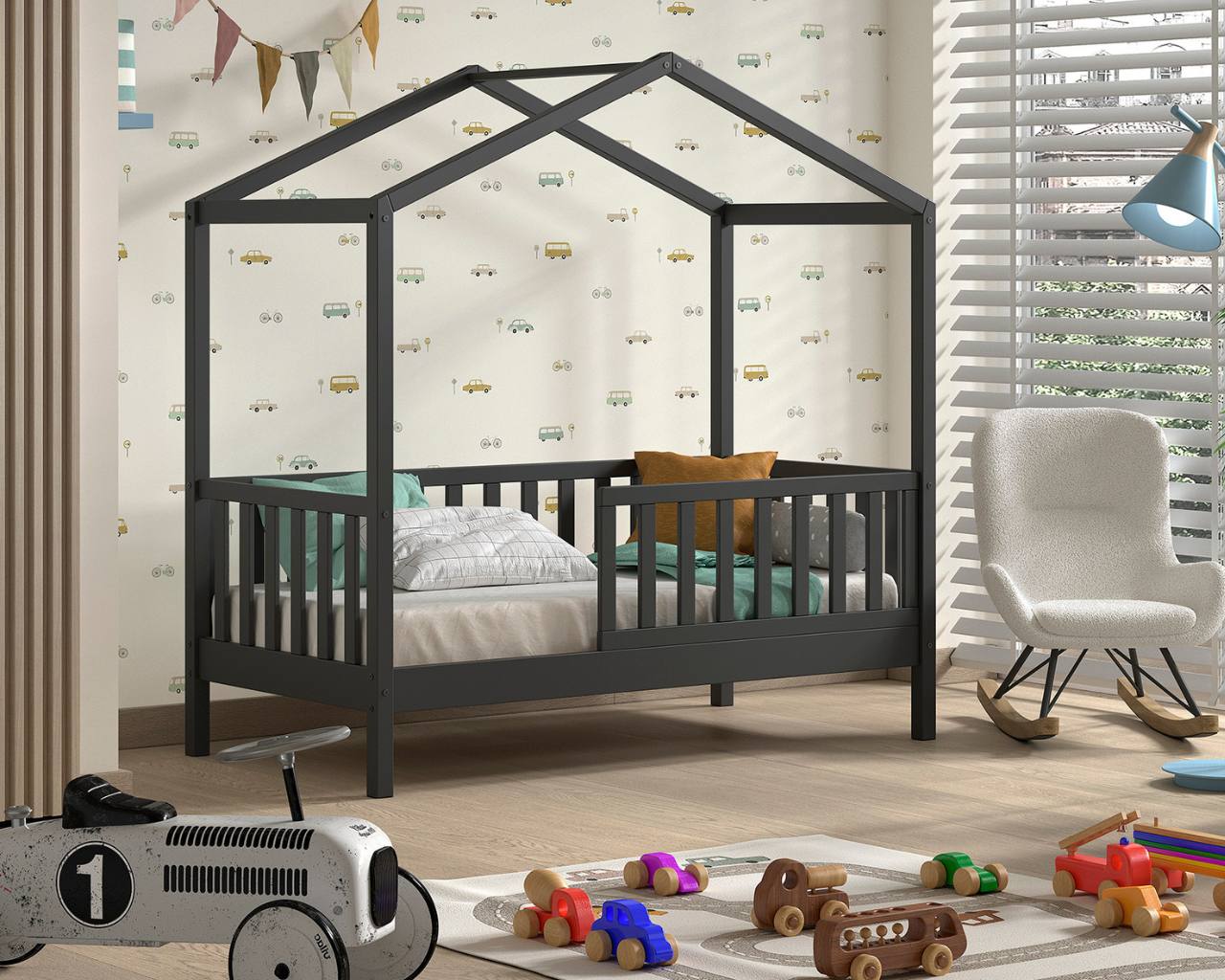
Inspired by Montessori principles, house beds create a cosy, den-like sleeping space with an open front that encourages independence while keeping the child low to the floor. The cute design appeals to young ones who want their bedroom to feel like their own special space.
Storage Toddler Beds
For smaller spaces, beds with integrated drawers (typically 2-4 drawers, each around 40 x 30 x 15cm) are the ideal solution. They eliminate the need for separate storage furniture, freeing up floor space for play while keeping toys, spare bedding, or clothes neatly organised.
Price ranges at Kids Beds Online:
- Budget-friendly wooden frames: under £150
- Mid-range themed beds: £150-£300
- Premium house beds or storage options: £300-£450+
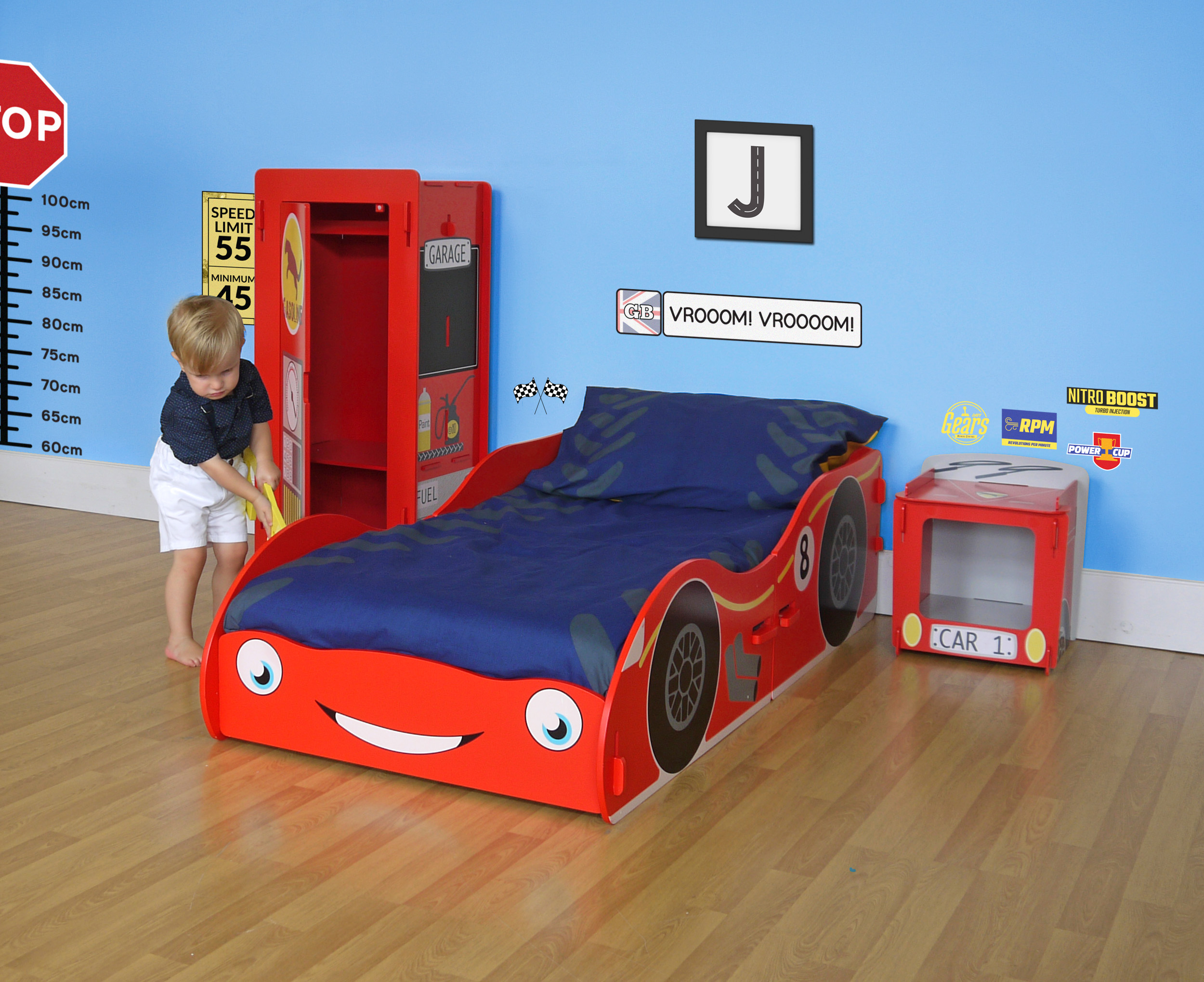
Our Top 3 Toddler Beds
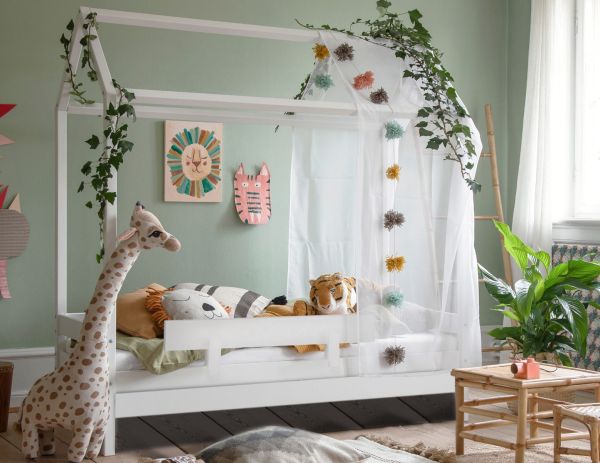
Hoppekids Shorty Housebed with Drawers in White
The Hoppekids ECO Shorty Housebed in White is designed for children transitioning from a cot to a regular bed.
It features an eco-friendly design, constructed from pine, and is free from harmful products and chemicals to ensure safety and durability. The bed accommodates a 160cm x 70cm mattress, a size suitable for children moving from a cot and also helping to save space in the bedroom.
It includes two underbed drawers for concealed storage and features a house design.
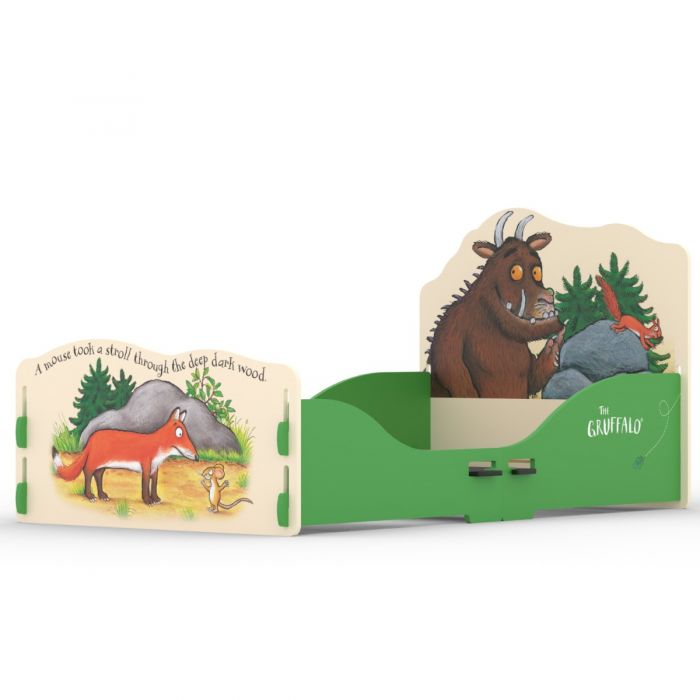
Kidsaw Gruffalo Toddler Bed
A mouse took a stroll through the deep dark wood! The Gruffalo licensed toddler bed has a 140cm x 70cm mattress size, ideal for children transitioning from a cot to a ‘grown up’ bed.
Featuring high quality graphics that mimic Julia Donaldson’s and Axel Scheffler’s The Gruffalo story perfectly. A perfect addition to any Gruffalo, forest themed bedroom. The bed is easy to assemble, it slots together with a few screws to secure the base to make a sturdy yet fun structure!
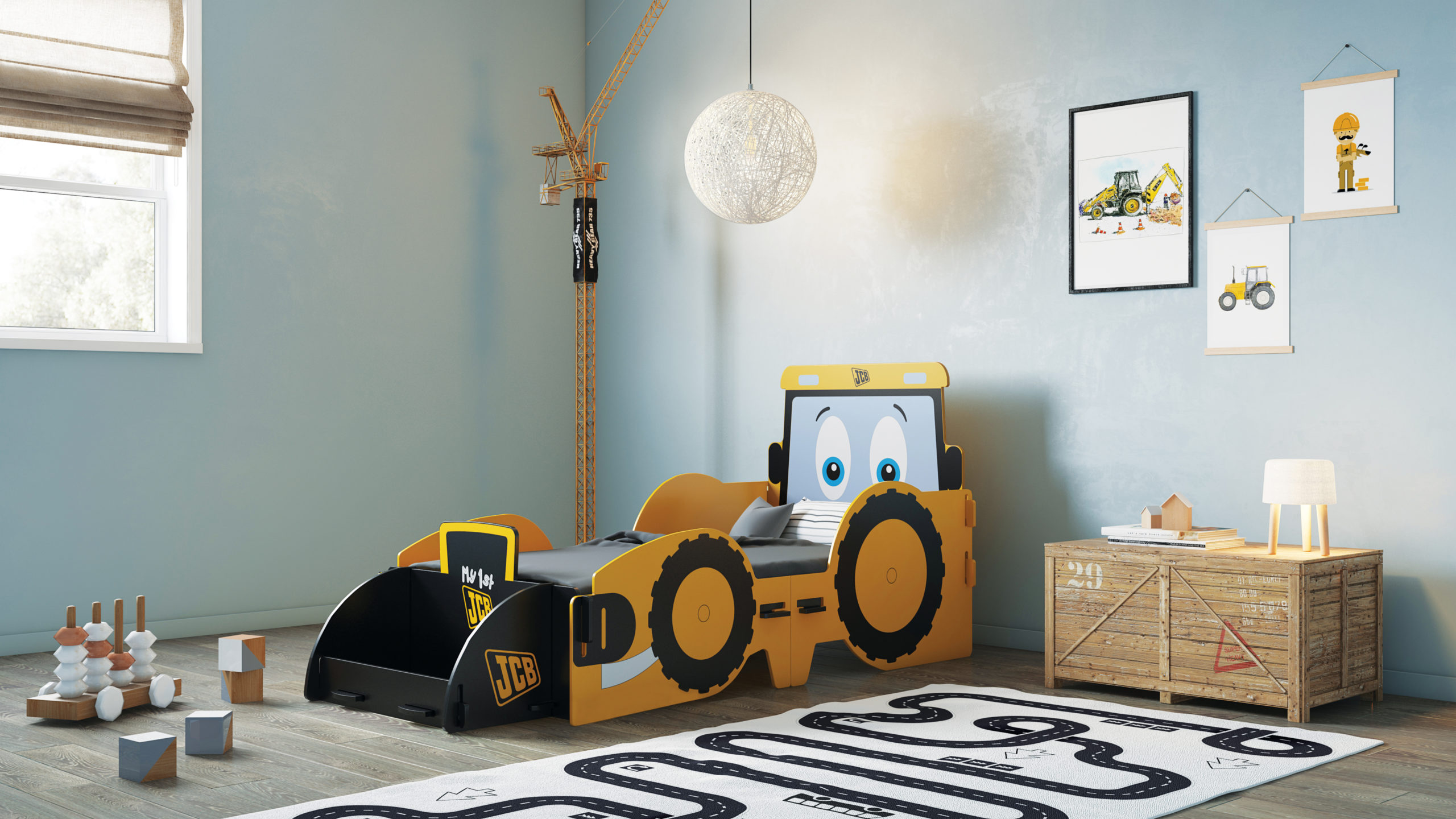
Kidsaw JCB Junior Toddler Bed
Transform your little one’s bedroom into a construction wonderland with the Kidsaw JCB Junior Toddler Bed! Perfect for aspiring builders, this JCB digger bed is designed around Joey JCB from the beloved cartoon series. The standout feature? A clever scoop at the front that doubles as a toy box, keeping your child’s favourite toys neatly stored away.
How Safe Are Toddler Beds?
Safety is the top priority in toddler bed design, and reputable manufacturers build multiple protective features into every frame.
Key safety features to look for:
- Built-in guard rails or raised sides: These typically extend 15-20cm above the mattress surface and prevent 85% of roll-off incidents during sleep
- Low frame height: Most quality toddler beds sit 20-25cm from floor to frame top, meaning the total sleep surface (with mattress) is around 30-35cm—compared to 50-60cm for single beds
- Rounded corners: Edges should have a radius under 4mm to prevent injuries from bumps
- Strong slatted base: Slat spacings of 3-6cm and static load testing to 50kg ensure the base won’t sag or break
- Smooth finish: No splinters, rough edges, or exposed hardware that could scratch or trap small fingers
UK toddler beds sold by reputable retailers like Kids Beds Online must meet British safety and fire regulations (BS EN 716-1/2). Avoid heavily modified second-hand frames, which can have 40% higher failure rates and voided safety certifications.
Additional safety measures:
- Use a non-slip mat under any rugs near the bed
- Avoid placing heavy items on shelves directly above the sleeping area
- Anchor tall furniture to walls to prevent toppling
- Follow the manufacturer’s assembly instructions precisely, torquing screws to the recommended tension
- Double-check all connections after the first few nights of use, as settling can loosen hardware
The low height of toddler beds means that even if a child does roll out, the drop is minimal—under 30cm total—significantly reducing injury risk compared to higher bed frames, cabin beds, or bunk beds.
How to Choose the Right Toddler Bed for Your Child
Finding the perfect bed means balancing safety requirements, available space, your budget, and your child’s personality. Here’s a practical approach to making the decision.
Step 1: Measure your space
Check your child’s room dimensions carefully. Allow at least 60cm of clearance around the bed for safe movement, access to drawers (if choosing a storage bed), and room to sit on the edge during stories. A minimum room size of 2.5 x 2.5 metres works for most toddler bed setups.
Step 2: Prioritise safety features
Before falling in love with a particular style or theme, confirm the bed has:
- Integrated guard rails or side rails
- Low height (under 30cm frame height)
- Sturdy construction from solid materials
- Safety certification from a reputable retailer
Step 3: Consider longevity
A neutral wooden frame might serve your child from age 2 right through to age 7 with a simple mattress upgrade to a larger size later. Themed beds provide more bedtime fun but may feel “babyish” to a child who grows up quickly. Think about whether your child will still love that fire engine design in two years.
Step 4: Involve your child
Let them choose between 2-3 parent-approved options from Kids Beds Online. This gives them ownership and often reduces bedtime battles. Even picking their own bedding colours can make the new bed feel more grown up and exciting.
Step 5: Check logistics
Review delivery times (typically 7-14 days) and assembly requirements on product pages. Many models feature tool-free or minimal assembly, but confirm before purchase. Plan your transition date accordingly—ideally not the week before starting nursery or welcoming a new sibling.
Budget considerations:
All our beds at Kids Beds Online range from accessible wooden frames under £150 to premium themed beds above £400. Remember that a slightly higher upfront investment in sturdy materials often means better durability and a longer useful lifespan.
FAQ: Toddler Beds
How long will my child use a toddler bed?
Most children use a toddler bed from around age 2 until approximately age 5—an average of about 2.8 years. The transition to a single bed typically happens when your child’s height exceeds 110cm, when they start consistently bumping the ends, or when they express interest in a bigger kids bed. Children who grow quickly or share a room with an older sibling may make the switch earlier. High sleepers or cabin beds become appropriate options once your child is around 6 years old and confident with ladders.
Should I skip a toddler bed and go straight to a single bed?
Going straight to a single bed can work well for older, confident preschoolers aged 3 and above who already sleep through the night reliably. However, single beds sit 40cm higher than toddler beds, creating a 50% greater risk of escape attempts and falls for under-3s. The intimidating size can also trigger bedtime anxiety. For most families, a low toddler bed provides a gentler, safer first big bed experience before graduating to singles.
Do I need bed guards if the toddler bed already has sides?
Purpose-built toddler beds typically include integrated guard rails high enough (15-20cm above the mattress) to keep your child secure during sleep. Extra clip-on guards are only necessary if the bed design leaves an open side longer than 10cm or if your particular child rolls very actively. Check the product specifications on Kids Beds Online—95% of their toddler designs have adequate built-in protection.
Can I reuse my cot mattress in a toddler bed frame?
In most cases, no. UK cot mattresses typically measure 120cm x 60cm, while standard toddler beds require 70cm x 140cm mattresses. Using an undersized mattress creates unsafe gaps of 5-10cm or more where arms, legs, or even heads could become trapped. Always match the mattress size to the specifications listed on the toddler bed product page. Investing in the right mattress is essential for your little one’s dreams and safety.
What bedding do I need for a toddler bed?
You’ll need a properly sized fitted sheet (70 x 140cm), a lightweight duvet with cover suitable for 20-25°C room temperatures, a slim pillow designed for toddlers (only for children over 12 months), a waterproof mattress protector for accidents, and optionally a favourite blanket or comforter to help them settle. Avoid adult-sized pillows and heavy duvets, which can pose suffocation risks for young children. Quality bed linen in fun designs can make the new bed feel special and encourage a good night’s sleep.
Making the move from crib to toddler bed marks an exciting step toward independence for your child—and with the right bed, it can be a smooth one for the whole family. Focus on safety features first, choose a style that sparks joy for your little one, and maintain those comforting bedtime routines. Ready to find the right bed? Browse the complete toddler beds range at Kids Beds Online and give your child the great choice they deserve for their first big bed.
